
The dream of opening a brick-and-mortar storefront is a powerful motivator for entrepreneurs worldwide. Transforming a conceptual business model into a physical space where customers can touch products, experience a curated atmosphere, and interact with your brand is incredibly rewarding. However, launching a retail store is a multi-faceted endeavor that goes far beyond selecting inventory and opening the doors. It requires a strategic blend of market research, brand development, legal compliance, financial planning, and physical construction.
Laying the Strategic Foundation
Developing a physical retail presence requires a deep understanding of your target demographic and the competitive landscape. Before investing capital into a physical location, you must validate your business concept through rigorous market research. This involves analyzing consumer spending habits in your target area, identifying gaps in the current market, and evaluating the strengths and weaknesses of direct competitors.
A well-defined business plan acts as your operational roadmap. It outlines your value proposition, financing strategy, marketing plans, and projected revenue. This document is not only vital for your internal guidance but is also essential when presenting your business to potential investors or commercial landlords who want to ensure your concept is viable.
Conducting Local Market Analysis
To ensure your retail concept aligns with local demand, gather granular data on the neighborhood where you intend to operate.
-
Analyze demographic data such as average household income, age distribution, and lifestyle preferences within a five-mile radius of your prospective site.
-
Monitor local foot traffic at different times of the day and days of the week to understand consumer movement patterns.
-
Identify complementary businesses in the area that could drive relevant traffic to your storefront without serving as direct competitors.
-
Study local zoning laws and municipal ordinances early to ensure your specific business type is legally permitted to operate in the chosen zone.
Establishing Your Brand Identity
Your brand identity is the emotional and visual bridge between your products and your target audience. It encompasses your name, logo, color palette, typography, and core messaging. A weak or generic brand fails to stick in the minds of consumers, whereas a cohesive identity builds trust and recognition.
When creating this identity, consistency is paramount. Every touchpoint, from your store signage and packaging to your website and social media channels, must tell the same story. Many successful retailers collaborate with a specialized branding agency during the early stages of development. Working with these creative professionals helps distill your core values into a compelling visual language, ensuring your business stands out in a crowded marketplace and resonates deeply with your intended audience from day one.
Securing the Ideal Physical Location

The old real estate adage “location, location, location” holds an undeniable truth in retail. Your choice of site directly influences your foot traffic, accessibility, visibility, and operational costs. A brilliant retail concept can struggle in an isolated area, while a mediocre concept might survive purely on the strength of a high-traffic location.
When evaluating potential properties, consider both standalone buildings and multi-tenant complexes. Each option brings distinct advantages and challenges regarding lease terms, maintenance responsibilities, and neighborhood dynamics.
Evaluating Commercial Hubs and Shopping Districts
Choosing between a standalone property and a multi-tenant environment requires balancing independence against built-in customer traffic.
-
Look into leasing options within a regional shopping center if your business relies heavily on spontaneous, impulse-driven foot traffic generated by anchor department stores.
-
Assess the hidden fees associated with multi-tenant locations, such as common area maintenance charges, which contribute to the upkeep of shared parking lots and walkways.
-
Evaluate the parking availability and ease of ingress and egress for delivery trucks and customer vehicles alike.
-
Negotiate lease exclusivity clauses to prevent the landlord from renting an adjacent space to a direct competitor in your niche.
Negotiating Commercial Leases Effectively
Commercial leases are vastly different from residential agreements, often spanning five to ten years and featuring complex legal clauses. It is crucial to understand the difference between a gross lease, where the landlord covers taxes and insurance, and a net lease, where the tenant assumes these costs.
Always negotiate for a tenant improvement allowance, which is a fund provided by the landlord to help cover the costs of renovating the space to suit your business needs. Additionally, ensure the lease includes options to renew so you can protect your investment once you have built a loyal customer base at that specific location.
Designing and Building the Store Exterior
The exterior of your retail store is your primary vehicle for attracting passing pedestrians and motorists. It serves as a physical billboard that communicates the quality and style of what lies inside. If the outside of your building looks neglected, uninviting, or poorly constructed, consumers will naturally assume the same about your products.
Transforming a raw commercial shell into an architectural asset requires a team of skilled professionals. Coordinating these trades ensures that the structural envelope is secure, weather-resistant, and aesthetically aligned with your corporate identity.
Managing Structural and Envelope Renovations
Executing large-scale exterior renovations requires hiring experienced commercial construction contractors who specialize in retail rollouts. These professionals manage the complex timeline of structural modifications, zoning approvals, and inspections.
They ensure that all structural changes comply with local building codes and accessibility laws. By hiring a reputable general contracting firm, you mitigate the risk of costly construction delays that could push back your grand opening date and inflate your pre-revenue operational expenses.
Selecting High-Quality Entryway Systems
Your store entrance is the literal threshold between the public world and your curated retail environment. The materials you choose for this focal point must offer durability, modern aesthetics, and optimal visibility.
Installing a sleek aluminum store front is an excellent way to maximize natural light and create expansive window displays that showcase your interior inventory to passersby. This material provides exceptional structural integrity, resists harsh weather elements, and requires minimal long-term maintenance, making it a standard choice for modern retail design.
Maintaining Structural Roofing Systems
A building’s roof protects your entire capital investment, including your inventory, point-of-sale systems, and interior finishes. When moving into a new retail space, a thorough inspection of the roof is mandatory to prevent devastating water damage.
If the existing structure requires repairs or a complete overhaul, you must hire an experienced commercial roofer to evaluate the deck, insulation, and drainage systems. Working with a qualified professional guarantees that any underlying structural issues are resolved before you begin installing expensive interior fixtures and product displays.
Implementing Protective Surface Seals
For flat or low-slope commercial roofs, traditional replacement can be prohibitively expensive and disruptive to your pre-opening timeline. An alternative approach involves applying advanced protective layers to extend the lifespan of the existing system.
Integrating commercial roof coatings into your building maintenance plan can seal minor leaks, improve energy efficiency by reflecting ultraviolet rays, and add a seamless waterproof barrier over the structure. This proactive measure safeguards your retail space from unexpected leaks that could ruin inventory and disrupt your operations.
Optimizing Parking and Walkway Infrastructure
The customer experience begins the moment a visitor drives onto your property. Cracked pavement, potholes, and faded lane markings create a negative first impression and can present serious liability risks.
Contracting a professional paving contractor ensures that your parking lots, loading zones, and pedestrian walkways are smooth, properly graded for water runoff, and clearly striped. Well-maintained asphalt improves your property’s curb appeal and demonstrates a commitment to customer safety and accessibility.
Developing the Interior Layout and Infrastructure
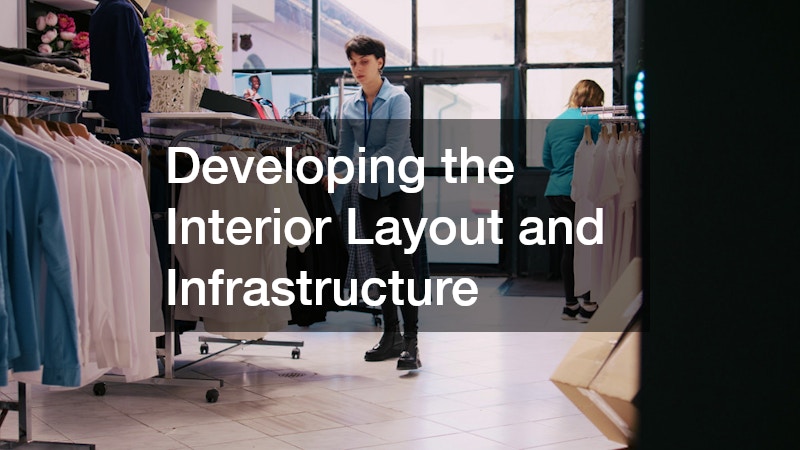
Once the exterior is secure and inviting, focus shifts to the interior environment. The layout of your store should guide customers through a planned narrative arc, exposing them to a maximum number of products while maintaining a comfortable, uncrowded shopping flow.
Behind the aesthetic finishes lies the critical mechanical infrastructure. Heating, ventilation, air conditioning, and utility systems must function flawlessly to keep customers comfortable and ensure your operations run smoothly behind the scenes.
Selecting Trade Experts for Mechanical Systems
The mechanical infrastructure of a retail space requires heavy-duty systems that differ significantly from residential installations. Trying to cut corners on these core utilities can lead to operational disruptions or sudden closures.
-
Hire specialized concrete contractors to pour level subfloors, create sturdy foundations for heavy inventory racks, or craft polished decorative flooring surfaces.
-
Ensure your electrical grid can handle high-intensity retail lighting, digital signage, security systems, and multiple point-of-sale terminals simultaneously.
-
Design an efficient layout for back-of-house storage areas so staff can safely unbox, tag, and organize incoming merchandise.
-
Verify that the building’s climate control systems are sized correctly to maintain a stable, comfortable temperature during peak occupancy hours.
Ensuring Reliable Water and Waste Utility Systems
A fully functional retail space must provide reliable restroom facilities for staff and, depending on local regulations and store size, for patrons. Proper utility routing is also essential if your retail concept includes a coffee bar, beauty services, or interactive product testing stations.
Partnering with commercial plumbing companies during the build-out phase guarantees that all water supply lines, drainage networks, and grease traps are installed according to municipal health codes. Professional installation prevents foul odors, backup emergencies, and low water pressure issues that could ruin the customer experience.
Implementing Security and Loss Prevention

Protecting your physical assets, employees, and data is a core responsibility of any retail business owner. Shoplifting, employee theft, and organized retail crime can severely impact your profit margins if left unchecked.
A comprehensive security strategy combines visible deterrents, such as cameras and mirrors, with sophisticated technological solutions that monitor access points and track inventory movement in real time.
Controlling Facility Entry and Exit Points
Managing who enters specific areas of your retail facility is vital for protecting high-value inventory, cash rooms, and administrative offices. Relying on traditional brass keys introduces significant security vulnerabilities, as keys can be easily lost, stolen, or duplicated without authorization.
Investing in professional access control installation services allows you to deploy electronic keypads, biometric scanners, or proximity card readers throughout the building. These digital systems create a verifiable audit trail of exactly who accessed restricted zones and when, while allowing you to instantly revoke access credentials if an employee leaves the company.
Deploying Surveillance and Asset Protection Systems
A visible surveillance network deters bad actors while providing valuable evidence in the event of an incident. Modern security goes beyond simple video recording to actively protect your bottom line.
-
Position high-definition security cameras at all entrances, exits, point-of-sale stations, and blind spots within the retail floor layout.
-
Install electronic article surveillance gates at the main exit to detect unpurchased inventory tagged with radio-frequency tags.
-
Train your staff on customer service-based loss prevention techniques, as greeting every customer reduces shoplifting opportunities.
-
Set up secure, bolted-down safes in the back office for daily cash drops, ensuring cash handling is kept away from public view.
Merchandising, Staffing, and Launching
With the physical structure complete, you can focus on the creative and human elements that bring the store to life. Merchandising is the art of displaying products in a way that stimulates interest and drives sales. Your displays should tell a cohesive story, grouping related items together to encourage add-on purchases.
Equally important is your team. Your frontline employees are the face of your brand; their product knowledge, attitude, and customer service skills will directly dictate your store’s conversion rates and customer retention.
Designing High-Impact Merchandise Displays
Visual merchandising guides the customer’s eyes and shapes their movement through your retail space. Use a mix of heights, textures, and lighting styles to create focal points that draw attention to high-margin items or seasonal promotions.
Change your window displays at least once a month to keep the storefront looking fresh and exciting for local commuters. Keep your pathways clear and make sure your pricing signage is highly visible and easy to read, eliminating friction from the buying process.
Hiring and Training a Customer-Centric Team
Your recruitment process should target individuals who possess not only strong sales skills but also genuine empathy and a passion for your industry.
-
Develop a comprehensive training manual that covers product specifications, brand history, and customer service protocols.
-
Conduct regular role-playing exercises to prepare your staff for managing complex customer scenarios and returns gracefully.
-
Implement an intuitive point-of-sale system that minimizes checkout times and allows staff to check inventory levels instantly.
-
Establish clear performance metrics and incentive programs to keep your team motivated and aligned with your daily sales targets.
Planning a Multi-Phased Opening Campaign
A successful store launch requires a strategic approach split into multiple phases. Start with a soft opening—a low-key launch extended to friends, family, and local influencers. This initial phase serves as a live testing ground, allowing you to identify glitches in your point-of-sale software, refine your store flow, and give your staff practical, hands-on experience without the pressure of a massive crowd.
Once you resolve these operational issues, launch your official grand opening campaign. This event should feature local media coverage, exclusive promotions, product demonstrations, and community partnerships designed to generate maximum foot traffic and establish your store as a vibrant new addition to the local neighborhood.
Building a successful retail store from scratch is a complex process that demands careful planning, financial discipline, and a resilient mindset. By methodically addressing each phase of development—from researching your local market and creating a cohesive brand identity to managing intricate construction logistics and building a dedicated team—you transform a blank commercial space into a thriving business environment.
