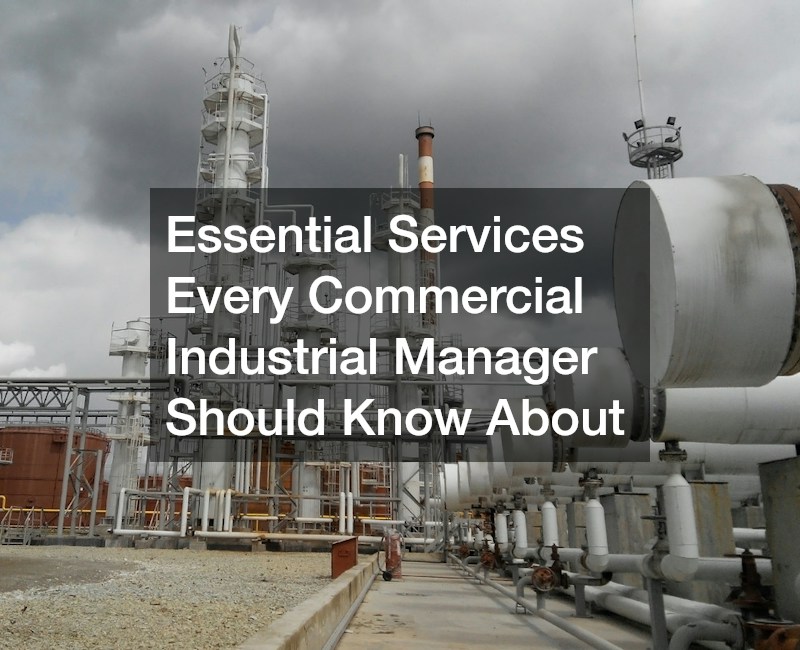
Managing a modern commercial or industrial facility is a balancing act of continuous demands. Facility leaders must drive operational efficiency, maintain compliance with stringent safety regulations, mitigate long-term capital risk, and prepare physical infrastructure for future expansion—all while protecting profitability.
Achieving these goals internally is rarely feasible. Attempting to maintain every specialized skill, heavy machine, and niche service in-house drains capital and distracts core personnel from primary operational objectives. The most effective facility managers operate not as isolated operators, but as coordinators of high-performing vendor ecosystems. By partnering with specialized external service providers, industrial leaders turn fixed overhead into flexible operational muscle.
This guide explores the essential external service categories that every facility director, plant manager, and commercial asset manager must integrate into their operational strategy to build a resilient, scalable enterprise.
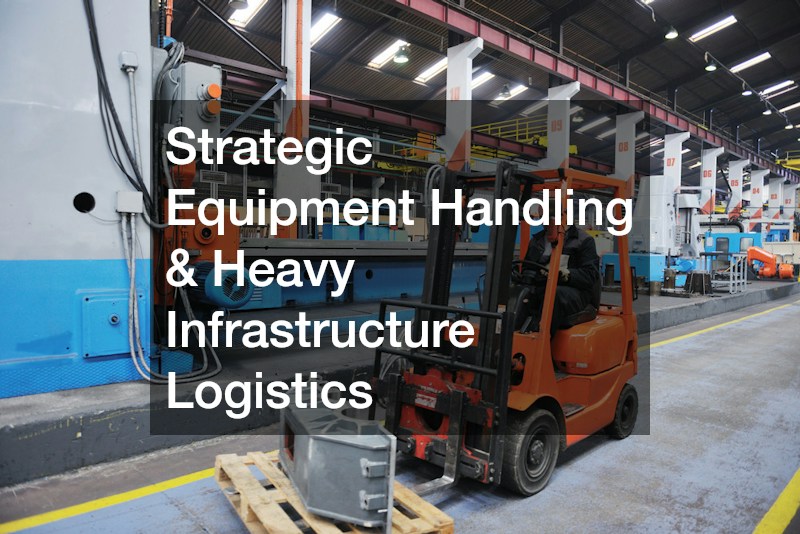
Strategic Equipment Handling & Heavy Infrastructure Logistics
The movement and installation of industrial machinery are critical operations, laden with potential risks. A single miscalculation during these high-stakes maneuvers can result in severe financial losses, potentially reaching millions of dollars due to equipment damage. Moreover, such errors could lead to prolonged downtime in facilities, severely affecting operational continuity. Even more importantly, mistakes in this domain can create serious safety hazards, endangering the lives of workers and possibly causing long-term damage to company reputation. Therefore, when it comes to the reconfiguration of production lines, installation of new capital assets, or full plant relocations, the involvement of specialized heavy logistics support becomes indispensable.
Execute Safe Heavy Machinery Installs and Plant Relocations
The intricate task of installing complex machinery demands a profound understanding of structural load distribution principles, as well as an assessment of floor weight capacities and overhead clearances. Prior to advancing high-value machinery through a facility’s entry point, it is essential for managers to conduct thorough evaluations of the floor slabs and structural support beams. Such assessments ensure these infrastructure components can sustain the static and dynamic loads incurred during the move.
In this context, professional machinery movers deploy advanced tools such as multi-axis hydraulic jacks, specialized machinery skates, and robust gantry systems. These are critical in maneuvering delicate and ultra-heavy equipment in a manner that protects both the facility infrastructure and the machinery. The process of selecting these service providers should involve an exhaustive review of their compliance with OSHA standards, verification of their dual-layer liability insurance coverage, and confirmation that their workforce holds reputable industry certifications. Collaborating with a dedicated rigging company ensures that all installations, whether they involve precision instruments, CNC machines, or heavy press lines, are conducted with an emphasis on balance, stability, and secure anchoring, all while maintaining an unwavering focus on jobsite safety.
Optimize Overhead Lifting Solutions for Temporary Construction and Maintenance
Projects involving plant expansions, rooftop HVAC system overhauls, or the erection of structural steel frameworks demand substantial overhead lifting capacities. These requirements typically exceed the capabilities of standard indoor overhead bridge cranes. By opting to lease lifting equipment specifically for each project, organizations can enjoy substantial capital flexibility, as leasing circumvents the need for investing in and maintaining specialized assets internally.
The appropriate choice of lifting setup is contingent upon several factors, including ground conditions at the site, the radius requirements of the project, and the total weight of the loads to be lifted. Rough-terrain models prove advantageous in unpaved expansion sites, whereas compact all-terrain setups are adept at traversing narrow industrial corridors without compromising the integrity of concrete slabs. To ensure optimal safety and efficiency, formal lift plans must be established. These plans should comprehensively cover wind threshold limits, protocols for inspecting rigging tackle, and calculations for ground pressures imposed by the equipment. Engaging a reputable crane rental vendor not only facilitates access to certified operators and rigorously maintained machinery but also significantly mitigates liability risks. This strategic partnership helps in maintaining the timeline for major facility projects, ensuring they proceed smoothly and without undue delays.
Flexible Space Expansion and Structural Modifications
In the dynamic environment of facility management, change is the only constant. Facilities rarely remain static, as they must continuously adjust to accommodate various challenges and opportunities that arise. Market shifts, sudden inventory surges, and custom production demands are just a few examples that necessitate swift adaptations. To remain competitive and capable of meeting such demands, managers are required to rapidly modify and expand their physical footprints. Unfortunately, traditional approaches to adding new sections to existing buildings, especially through brick-and-mortar construction, can be a lengthy process. Such projects often take months or even years to complete, which makes it essential to identify agile structural solutions that marry speed with durability, enabling efficient and timely responses to changing operational needs.
Rapidly Expand On-Site Storage Without Traditional Construction Delays
In instances where unexpected inventory surges occur, or raw material shipments arrive ahead of schedule, indoor floor space can be quickly consumed. This creates an urgent need for additional storage capacity. Relying on standard temporary solutions, such as off-site warehousing, might seem viable, but these options introduce significant drawbacks. Off-site storage results in substantial transportation costs and added logistical complexity, which can disrupt smooth operations.
To address these challenges efficiently, deploying clear-span tensioned membrane structures directly on the facility property offers an innovative and speedy solution. These structures provide managers with the ability to incorporate thousands of square feet of weather-protected storage space within a matter of days, as opposed to the months required for traditional construction. Notably, they require minimal foundation preparation and can be securely anchored to pre-existing asphalt or concrete slabs. Beyond convenience, these structures capitalize on their design, allowing for excellent natural light transmission, high resistance to wind and snow loads, and adaptability for expansion, relocation, or dismantlement as space requirements evolve. By choosing a fabric building, you impart cost-effective protection against weather for raw materials, finished inventory, or even serve dynamic staging areas—all without making the immense commitment necessitated by permanent real estate construction.
Custom-Engineered Facility Upgrades and Structural Repairs
In solving spatial and structural challenges, off-the-shelf industrial fixtures often fall short of addressing the distinct requirements laid out by the unique layout of every plant floor. Facilities might demand specialized architectural enhancements, such as mezzanines, catwalks, equipment platforms, and safety enclosures. These must be meticulously engineered to fit harmoniously alongside pre-existing infrastructure, including piping, electrical runs, and production machinery.
Partnering with custom fabricators provides facility leaders a pathway to resolve these structural challenges with pinpoint accuracy and innovation. Whether the need is to build corrosion-resistant stainless steel washdown platforms for stringent food processing environments or to install heavy-duty carbon steel safety barriers for bustling warehouse loading docks, custom manufacturing offers solutions tailored to conform to local building codes and meet stringent safety standards. By leveraging the expertise of professional metal fabrication services, you ensure that all custom structural modifications adhere to rigorous weld quality criteria, achieve specified structural load ratings, and satisfy long-term durability expectations, granting peace of mind along with operational efficiency.
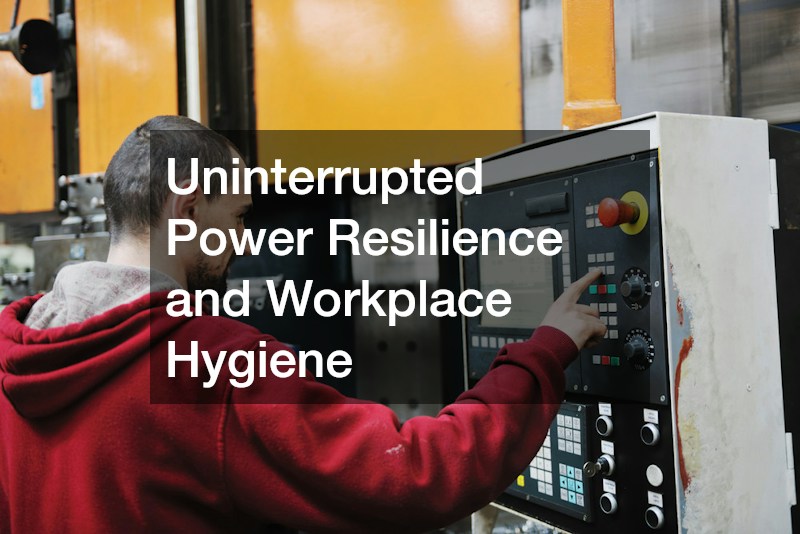
Uninterrupted Power Resilience and Workplace Hygiene
Operational continuity depends on two foundational elements: stable power and a safe, clean working environment. Power interruptions halt revenue-generating processes, while poor sanitation damages equipment, causes health compliance failures, and lowers worker morale.
Protect Continuous Operations Against Utility Outages
Grid instability, extreme weather events, and localized power disruptions pose catastrophic risks to modern industrial plants. A sudden loss of electricity can ruin sensitive chemical batches, freeze automated assembly lines, wipe out local server networks, and cause severe financial loss within minutes.
Developing a robust emergency power strategy requires precise load calculations to determine peak starting kilovolt-amperes and continuous kilowatt requirements. Industrial facilities must identify critical circuits—such as environmental controls, safety systems, processing lines, and data infrastructure—to ensure seamless failover. Automatic transfer switches must be regularly serviced, and standby units must undergo routine load-bank testing to verify performance under real-world stress conditions. Contracting with vendors providing heavy-duty industrial generators ensures continuous operation, protects capital assets, and maintains environmental safety controls during severe utility outages.
Implement Industrial-Grade Sanitization and Hazard Mitigation
Industrial sanitation extends far beyond basic floor sweeping and trash collection. Heavy production environments accumulate specialized contaminants—including combustible dust, chemical residues, metal shavings, and oil slicks—that present fire, health, and slip hazards if left unmanaged.
Implementing a structured sanitation program requires specialized equipment, such as explosion-proof vacuum systems for combustible dust and high-pressure hot-water washers for grease remediation. Specialized industrial cleaning teams operate during low-impact windows, such as shift changes or weekend maintenance shutdowns, preventing disruptions to core operations. Engaging specialized janitorial services trained in hazard communication, OSHA compliance, and proper industrial waste disposal ensures a safer workplace, reduces slip-and-fall injuries, and prolongs the lifespan of floor coatings and production machinery.
Sustainable Material Lifecycle and Waste Management
Modern industrial site management requires a proactive approach to waste streams. Transitioning from traditional disposal methods to structured material recovery lowers operational costs, meets corporate sustainability mandates, and turns disposal expenses into revenue streams.
Monetize Manufacturing Byproducts and Scrap Material
Metalworking, stamping, machining, and structural fabrication generate steady streams of metal shavings, turnings, and off-cuts. Treating these materials as mixed trash incurs hauling fees and wastes residual value.
Creating an organized scrap management system starts on the plant floor. Segregating ferrous metals from high-value non-ferrous alloys—such as aluminum, copper, and stainless steel—at the point of generation maximizes scrap yield values. Partnering with a licensed metal recycling processor provides dedicated collection hoppers, transparent weigh-and-pay documentation, and market-indexed pricing models. An organized recycling program reduces overall waste disposal expenses while generating consistent secondary revenue streams that offset raw material costs.
Divert Construction and Demolition Waste from Landfills
Facility renovations, floor slab repairs, and site expansions generate tons of heavy masonry debris. Sending concrete rubble, broken brick, and asphalt to landfills incurs substantial tipping fees and runs counter to modern corporate sustainability goals.
On-site crushing and processing turn heavy masonry waste into valuable construction materials. Portable crushing units process concrete rubble on-site, converting it into graded aggregate suitable for sub-base preparation, pipe bedding, or parking lot repair. Working with a certified concrete recycling company allows facility managers to divert heavy materials from municipal landfills, lower haul-away expenses, and acquire low-cost recycled aggregate for ongoing site development projects.
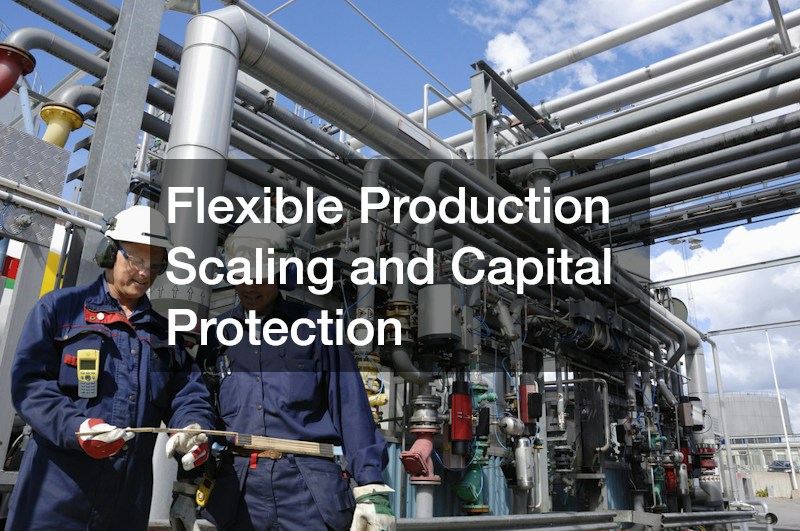
Flexible Production Scaling and Capital Protection
Sustaining long-term business growth requires operational flexibility and sound financial management. Facility leaders must manage surge production demands without overextending capital reserves, while business owners must de-risk financial assets against broader economic shifts.
Surge Production Capacity Without Capital Expenditure Risks
Experiencing a sudden spike in product demand is a welcome challenge, but expanding internal production capacity requires substantial investment in new machinery, floor space, and personnel. If market demand cools, the enterprise is left with underutilized, depreciating equipment and inflated overhead.
Outsourcing secondary assemblies, specialized component runs, or peak-volume production runs allows industrial businesses to scale output elastically. External manufacturing partners bring pre-existing machinery, specialized labor, and established quality management systems to the table. Utilizing a trusted contract manufacturing partner enables companies to fulfill large orders quickly, preserve capital reserves, and test new market opportunities without taking on heavy long-term capital liability.
Safeguard Executive Capital and De-Risk Long-Term Retainage
High-capital industrial operations require prudent financial risk management. Business owners and executive teams must safeguard corporate reserves, manage retainage funds, and protect personal capital from market volatility while ensuring financial liquidity for future opportunities.
Integrating principal-protected financial vehicles into corporate asset management strategies helps de-risk capital portfolios. Utilizing financial instruments that guarantee principal preservation while offering growth tied to market indices allows business leaders to grow reserve funds without exposing them to downside market volatility. Utilizing a fixed indexed annuity within executive compensation or corporate wealth retention plans provides predictable capital growth, tax-deferred accumulation, and long-term financial stability for business decision-makers.
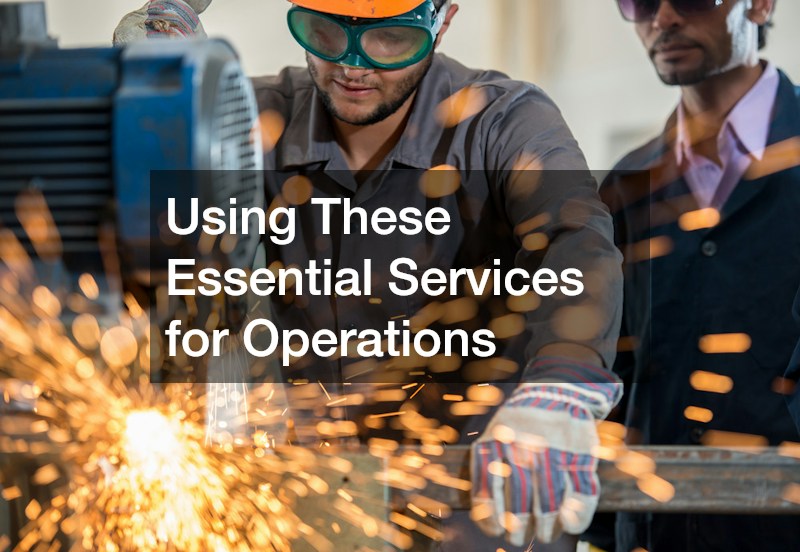
Using These Essential Services for Operations
Managing a commercial or industrial facility requires balancing immediate operational needs with long-term strategic goals. Facilities that rely solely on internal resources risk operational bottlenecks, inflated overhead costs, and reduced flexibility when market conditions shift.
Building a strong network of specialized service partners gives facility managers the agility to tackle complex projects safely and efficiently. Whether expanding floor space, upgrading power systems, managing waste streams, or scaling production output, leveraging external expertise ensures smooth operations.
Taking time to audit vendor networks, identify operational gaps, and establish partnerships with reliable service providers positions facilities for long-term operational success, cost efficiency, and sustainable growth.